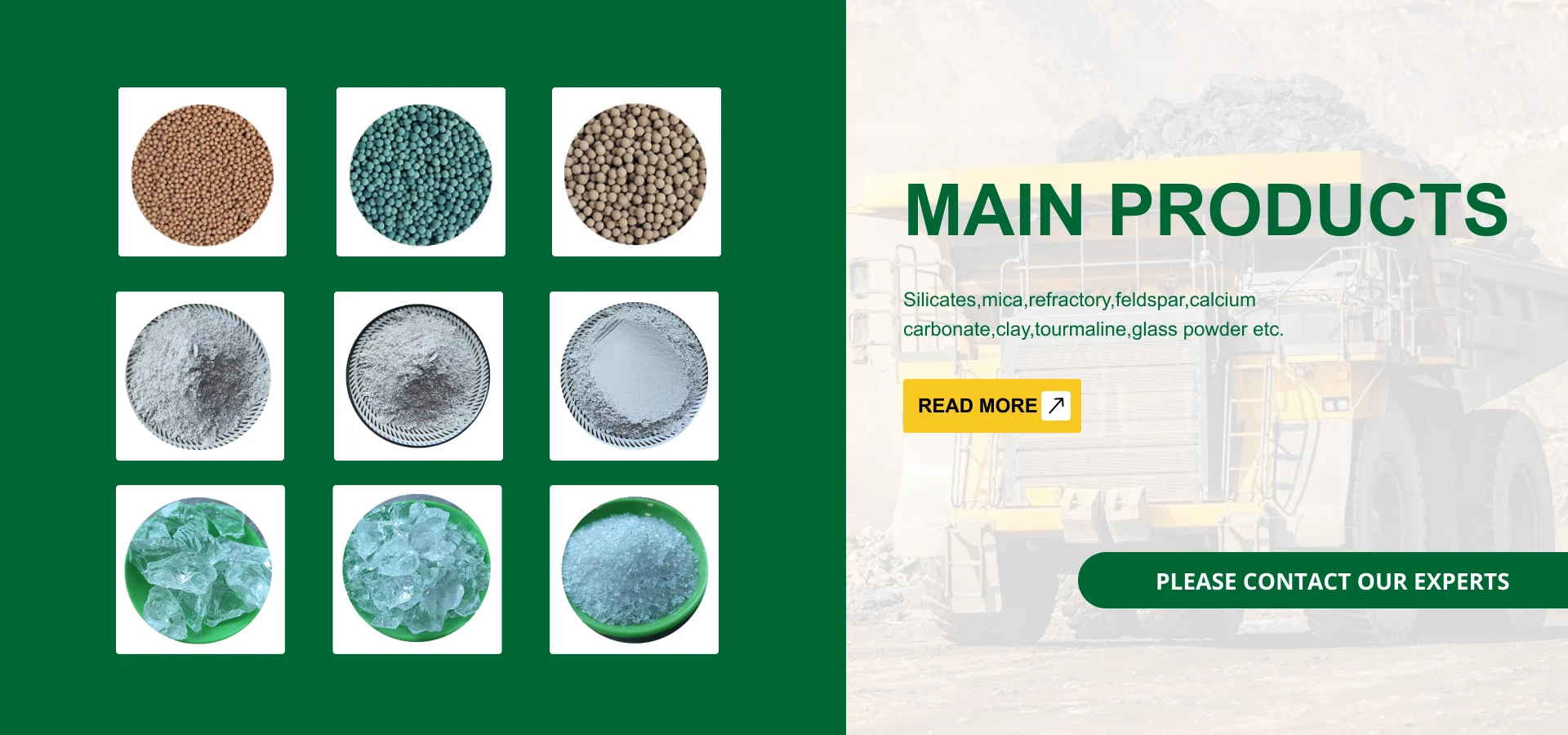
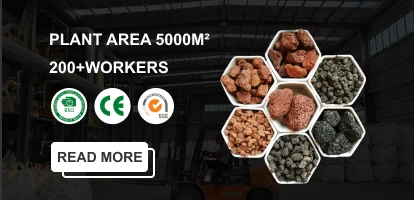
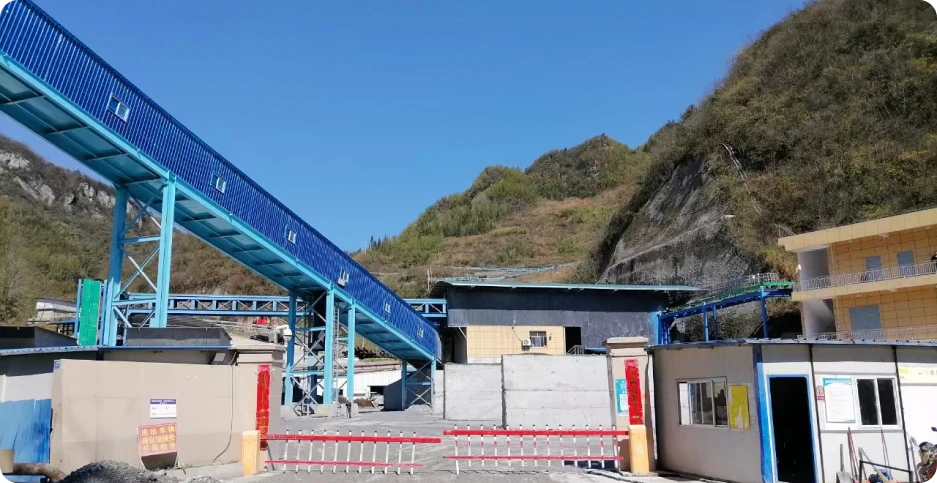
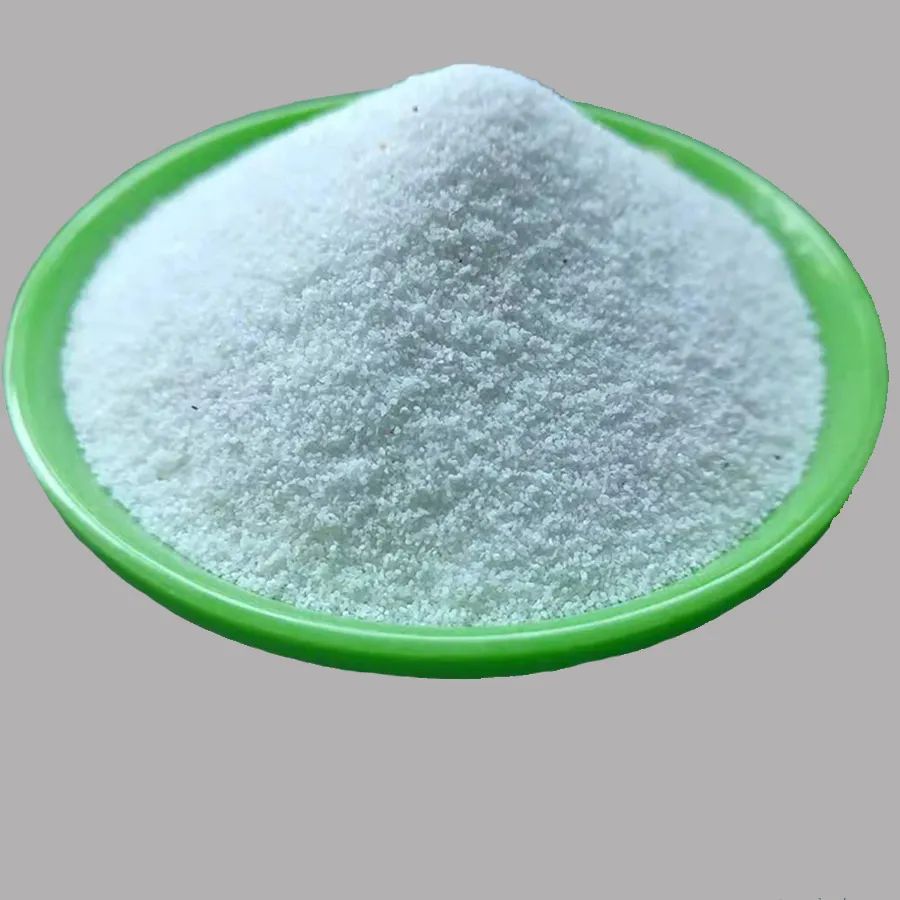
From Mountain to Market: A Field Note on Volcanic Mud I’ve visited more quarries than cafés this year, and one site still sticks with me: Lubai Mountain Village, South Yanchuan, Lingshou County, Shijiazhuang City, Hebei, China. That’s where this powdery, mineral-rich material starts its journey. In the trade, Volcanic Mud isn’t exotic anymore—it’s practical. Beauty labs want its ion-exchange capacity; ag suppliers praise its porous structure; spa operators love the story. And, to be honest, the real-world performance is better than the hype in a lot of cases. Industry trends Two currents are shaping demand: clean-beauty compliance and multi-function industrial fillers. Cosmetic formulators look for trace-metals control and batch consistency; construction and agriculture people want predictable particle size and moisture. Surprisingly, many customers say the color range—white, black, green, yellow, red—matters for branding as much as for functional cues. Process flow, testing, and service life Materials: selected tuff/ash-derived minerals from Lubai Mountain; natural color sorting at the source. Methods: crushing → low-temperature drying (≈70–90°C) → milling (jet or ball mill) → sieving (100–325 mesh) → magnetic separation → optional sterilization (gamma or dry-heat) → bagging. Testing standards: particle size by ISO 13320; pH by ASTM D4972; CEC by ISO 13536; microbiology (cosmetics) per ISO 21149; heavy metals screen via ISO 21392 (ICP‑MS). Service life: 24–36 months in sealed kraft or PE-lined bags; keep dry, away from odors. Industries: personal care, spa & wellness, agriculture (soil amendment), water treatment (adsorbent), pet-care grooming, mineral filler in plasters and pozzolanic blends. Product specs (typical, real-world use may vary) Parameter Specification Form Volcanic Mud powder Colors white, black, green, yellow, red Median particle size (D50) ≈8–45 μm (custom to 3–5 μm) Moisture ≤1.5% (after drying) pH (10% slurry) ≈6.5–8.5 CEC ≈60–120 cmol(+)/kg SiO2 / Al2O3 SiO2 ≈45–65%; Al2O3 ≈10–20% Heavy metals (Pb, Cd, As) Meets ISO 21392 cosmetic guidance when cosmetic‑grade is specified Certifications ISO 9001; cosmetic GMP support to ISO 22716; REACH-ready SDS Applications and what users report Cosmetics/masks: oil absorption and gentle desquamation; “skin feels matte but not tight,” as one EU formulator told me. Spa wraps: steady thermal profile; holds heat longer than standard clay, anecdotally. Agriculture: soil conditioning; growers note improved water retention and root vigor in sandy beds. Water treatment: adsorbs dyes and ammonium; lab CEC values correlate with removal rates. Mineral filler: boosts thixotropy in lime-based plasters; color grades enable visible batching. Vendor comparison (indicative) Vendor CEC (cmol/kg) D50 Certs MOQ Lead time Baifeng Mining (Hebei) 90–120 (typ.) 8–25 μm ISO 9001; ISO 22716 support ≈1 ton 10–15 days Vendor A (import blend) 70–100 15–45 μm ISO 9001 ≥5 tons 3–5 weeks Vendor B (regional) 60–80 20–60 μm — ≈2 tons 2–4 weeks Volcanic Mud customization: pick color grade (white/black/green/yellow/red), tune D50, specify moisture cut, choose sterilization method, and define cosmetic vs industrial screening. Batch CoAs and ICP‑MS reports are available on request. Case notes EU mask brand: switched to Volcanic Mud (D50 ≈10 μm). Result: 12% lower sebum index after 30 minutes vs control, small n, internal test. Passed ISO 21149 micro specs. Greenhouse grower: added 2% Volcanic Mud to peat blend; reported less irrigation frequency and sturdier seedlings; CEC uplift aligned with soil test data. If you need a quiet workhorse mineral with a clean paperwork trail and room for customization, Volcanic Mud from Lubai Mountain is, actually, a solid bet. Authoritative citations ISO 13320:2020 — Particle size analysis — Laser diffraction methods. https://www.iso.org/standard/69111.html ASTM D4972 — pH of Soils. https://www.astm.org/d4972 ISO 13536 — Soil quality — Cation exchange capacity. https://www.iso.org/standard/23151.html ISO 21149 — Cosmetics — Microbiology: aerobic mesophilic count. https://www.iso.org/standard/73174.html ISO 21392:2021 — Cosmetics — Determination of trace elements (ICP‑MS). https://www.iso.org/standard/75100.html ISO 22716 — Cosmetics — Good Manufacturing Practices (GMP). https://www.iso.org/standard/36437.html